
The COLE’ctive
Impact Program Goals









Food security

Mental health action

Universal health access

Clean energy

Peace & security

Elimination of gender-based violence

Social justice & human rights protection

Cancer control action

Sustainable democracy
Just & equitable digital transformation
Young people represent a significant portion of the global population, and their active participation in agriculture and food-related initiatives can have a substantial impact on production and distribution systems. Their fresh perspectives, innovative ideas, and adaptability are invaluable assets in addressing the challenges of a rapidly changing world.
Youth engagement in agriculture and food security promotes sustainable practices. With growing concern for environmental sustainability, young people can champion conservation methods, organic farming, and climate-smart technologies that minimise resource depletion and mitigate the impacts of climate change.
Empowering youths in the agricultural sector contributes to poverty reduction and economic development. By offering opportunities for skill-building, entrepreneurship, and market access, productivity can be enhanced, incomes increased, and employment opportunities created in rural areas, fostering inclusive growth.
Involving youth in food security initiatives nurtures a sense of ownership and responsibility towards their communities and future generations. By understanding the intricacies of food systems, young people can advocate for equitable distribution, nutrition education, and social justice, fostering a more resilient and equitable food future for all.
Youths have emerged as powerful change agents in driving mental health action, challenging stigma, and demanding improved support systems. Their energy, passion, and digital savvy enable them to amplify their voices, mobilise communities, and advocate for positive change. By sharing personal experiences and creating safe spaces for open dialogue, they break the silence surrounding mental health and encourage others to seek help without shame.
Youth-led initiatives, such as online campaigns, awareness-raising events, and peer support programmes, are empowering young people to address mental health issues head-on. They utilise social media platforms to reach wide audiences and foster a sense of belonging and solidarity among individuals facing mental health challenges. Through these efforts, youths are reshaping societal attitudes and demanding policy changes that prioritise mental wellbeing in schools, workplaces, and communities.
Young people are also actively involved in research, innovation, and technology-driven solutions for mental health. They harness their creativity and technological literacy to develop mobile apps, online resources, and virtual counselling platforms that provide accessible and affordable mental health support to those in need.
As change agents, youths are catalysing a transformative movement, challenging the status quo, and shaping a more inclusive and compassionate society where mental health is recognized as a priority and support is readily available for all.
By actively engaging in advocacy, policy-making, and community-based initiatives, youth-led action draws attention to health disparities and the importance of equitable access to healthcare services. Their efforts amplify the voices of marginalised communities and advocate for the removal of barriers such as cost, discrimination, and lack of information.
Youth-led action cultivates a long-term commitment to health advocacy and leadership, creating a sustainable pipeline of future healthcare professionals, policymakers, and community activists. By nurturing the agency and capabilities of young people, we can lay the foundation for a healthier and more equitable society.
Youth-led action fosters a sense of empowerment and agency among young people, encouraging them to take ownership of their health and that of their peers. Through awareness campaigns, health education, and community mobilisation, they contribute to the development of a healthier and more inclusive society.
Youth-led action for universal health access ensures that young people’s unique perspectives are considered, empowers them to advocate for change, and helps build a future where everyone has equal opportunities to achieve and maintain optimal health.
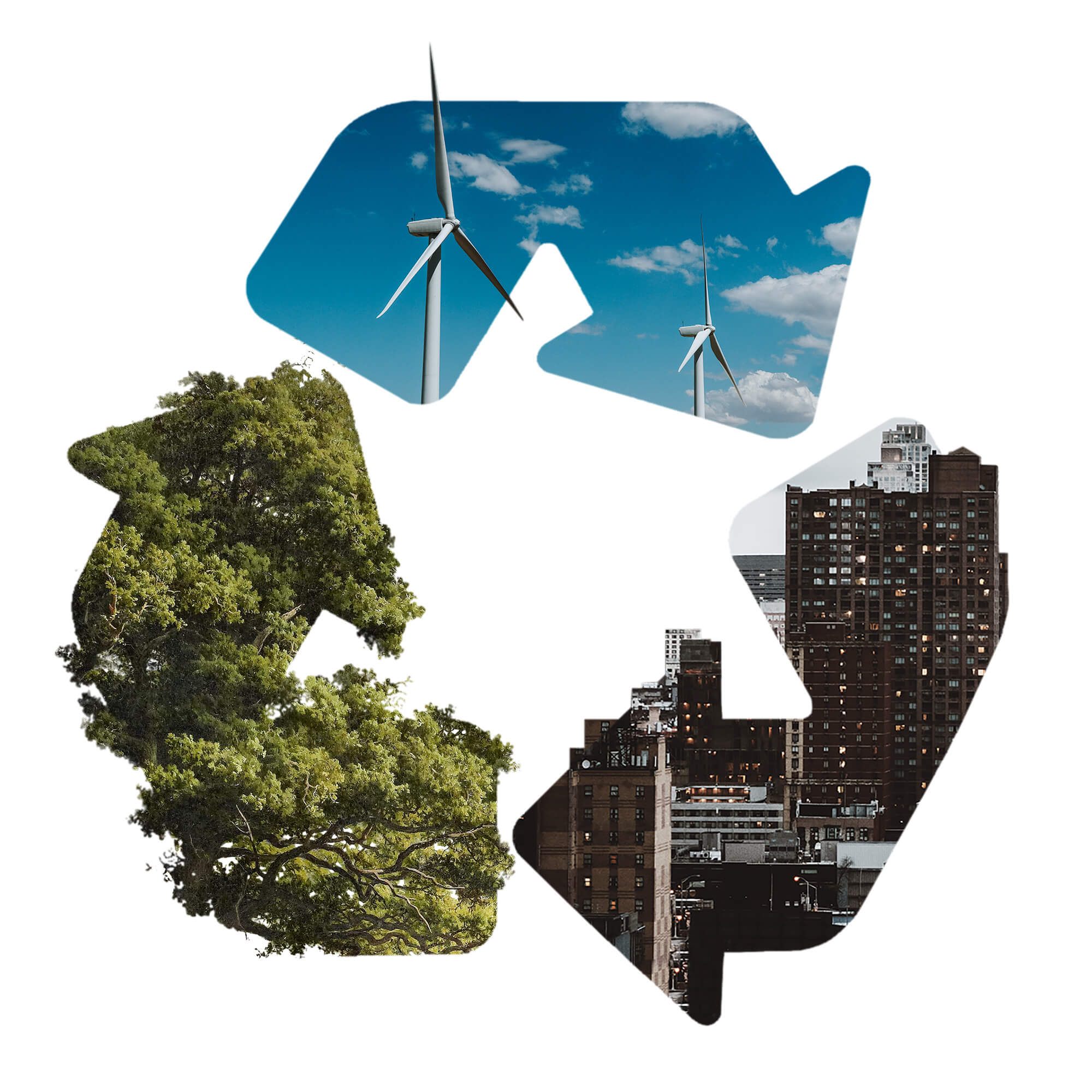
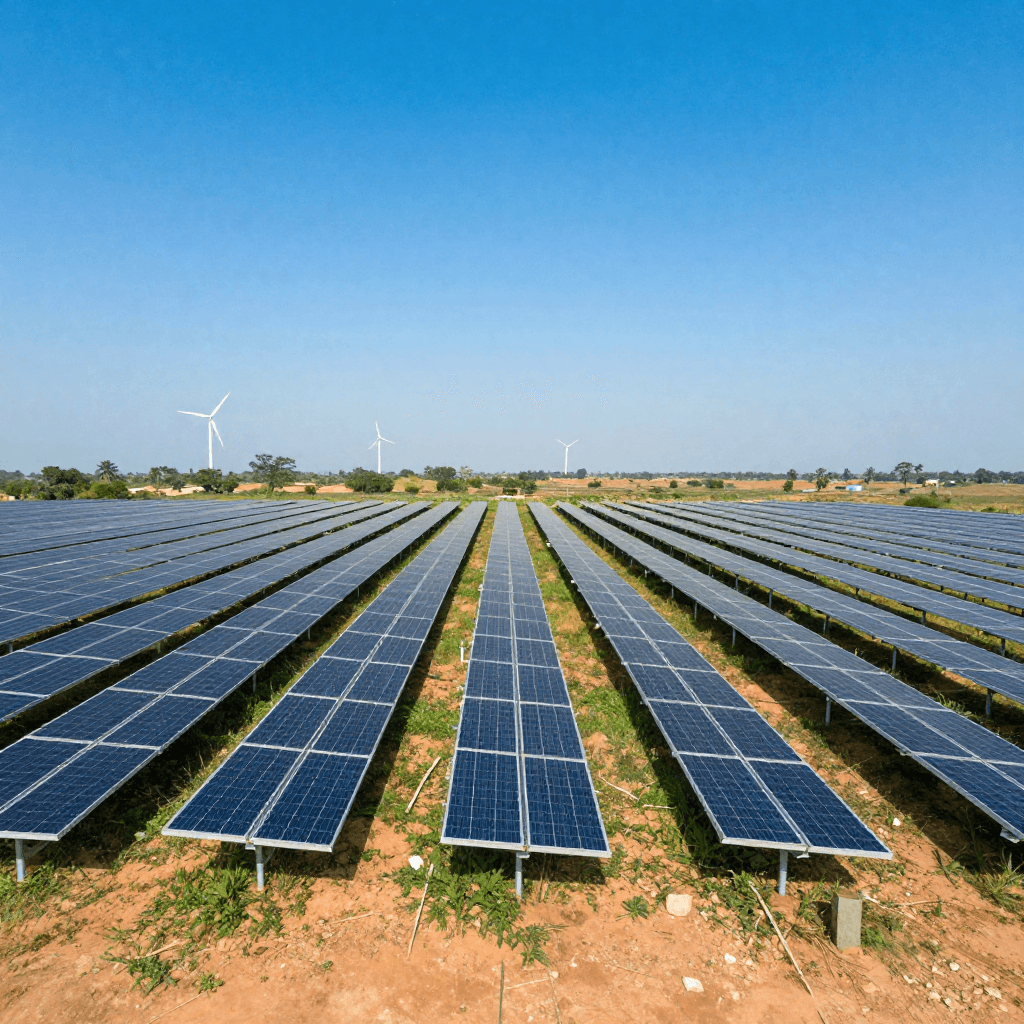
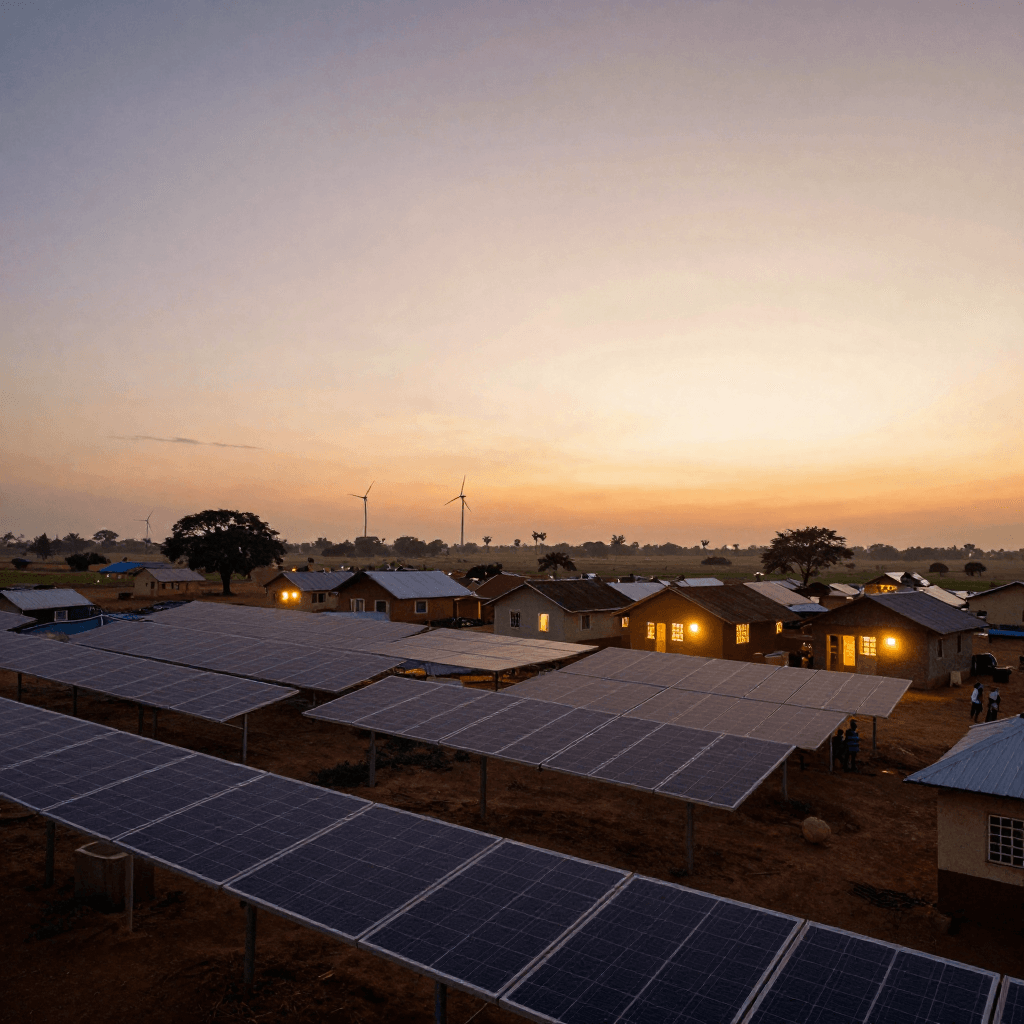
Young people have a vested interest in addressing climate change and its impact on their future. They will inherit the consequences of today’s energy choices, making their inclusion essential for long-term sustainability.
Youth bring fresh perspectives, innovative ideas, and a willingness to challenge the status quo. Their creativity and ability to think outside the box can drive technological advancements and inspire new approaches to clean energy solutions.
Empowering young people in the clean energy transition fosters intergenerational collaboration. By actively involving youth, we can bridge the gap between generations, creating a more inclusive and diverse movement that represents society as a whole.
Youth activism and advocacy have proven to be powerful catalysts for change. Their passion, energy, and determination can mobilise communities, influence policymakers, and shift public opinion towards clean energy alternatives.
Recognising and empowering youth as key players in the clean energy transition is vital for a sustainable future, as they bring fresh ideas, a sense of urgency, and the potential to reshape our energy systems.
By engaging youth at the frontlines of peace and security processes, societies benefit from fresh perspectives, innovative solutions, and a deep understanding of the challenges faced by younger generations. Youth are not just passive beneficiaries of peace; they are active agents who can shape the future. Their inclusion ensures that diverse voices are heard and that decisions are made with consideration for their specific needs and aspirations.
Empowering youth in peacebuilding initiatives cultivates a sense of ownership, belonging, and social cohesion, reducing the likelihood of conflict recurrence. Furthermore, youth inclusion fosters intergenerational dialogue, promoting mutual respect and understanding across age groups.
By investing in youth, societies can tap into their potential as drivers of sustainable peace and development. Governments, organisations, and communities must provide platforms and opportunities for young people to actively participate in decision-making processes, contribute their unique skills, and influence policies that directly affect them. Only by harnessing the power of youth can we build a more inclusive, peaceful, and secure world.
Youths have the potential to be powerful change agents in the elimination of gender-based violence. As the next generation, they possess fresh perspectives, a strong sense of justice, and an inherent drive for social change. By engaging young people in initiatives and empowering them to take action, societies can harness their energy and commitment to challenge deeply ingrained gender norms and promote equality.
Youth-led movements have already played a pivotal role in raising awareness about gender-based violence, mobilising communities, and demanding policy changes. Through social media campaigns, grassroots activism, and education programmes, young change agents are breaking the silence around these issues and fostering dialogue that challenges harmful behaviours and attitudes.
By supporting and partnering with youth-led organisations, governments, and NGOs, young people can drive policy changes, advocate for legislation, and influence decision-making processes.
Empowering youth to become change agents in the fight against gender-based violence not only creates a safer environment for everyone but also cultivates a generation of leaders committed to equality and social justice. Their collective efforts can create lasting change and inspire future generations to continue the fight for a world free from gender-based violence.
Youth play a vital role as change agents in promoting social justice and human rights. With access to information and technology, today’s youth are more empowered than ever to advocate for equality, challenge systemic injustices, and amplify marginalised voices.
Through grassroots movements, youth-led organisations, and social media activism, young people have been at the forefront of campaigns addressing discrimination, inequality, environmental injustice, and other human rights–related issues. Their voices are amplified through art, online platforms, and community engagement, creating a ripple effect that challenges societal norms and demands leadership accountability.
Young people are often the most affected by social injustices, which fuels their determination to fight for change. By leveraging their interconnectedness and global solidarity, they are able to mobilise and inspire others, creating a collective movement towards a more equitable and just society.
It is essential to recognise, support, and create space for youth-led initiatives by providing platforms, resources, and mentorship. By empowering young change agents, we can ensure that social justice and human rights remain at the forefront of our collective agenda, driving sustainable progress and creating a brighter future for all.
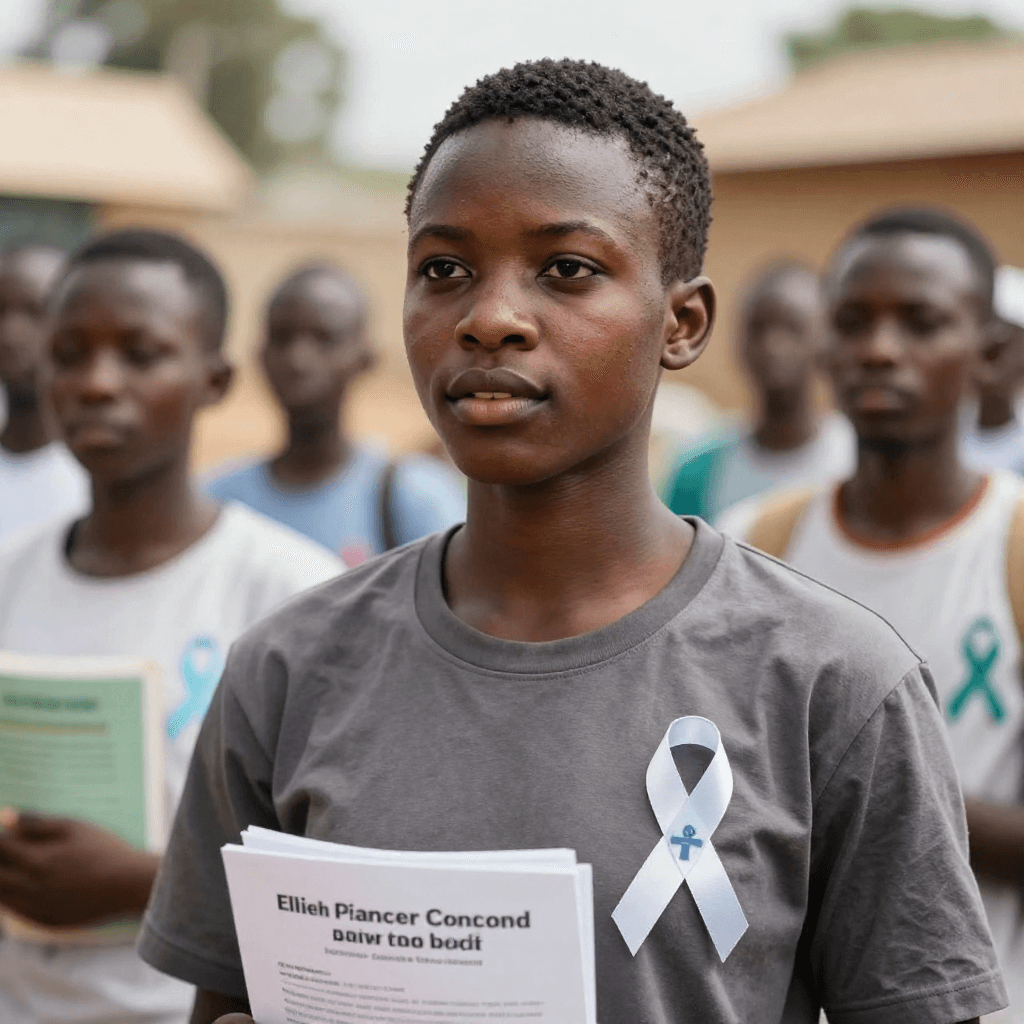
Youth participation in cancer control action plays a crucial role in shaping the future of healthcare. Their engagement cultivates a sense of responsibility and ownership, encouraging them to take an active role in shaping their own health outcomes and those of their communities.
By actively involving young people, we foster inclusivity and ensure that diverse voices contribute to cancer prevention, treatment, and support. Engaging youth in cancer control initiatives empowers them to become advocates for their peers and communities, facilitating peer-to-peer education, awareness campaigns, and early detection efforts.
Young people’s inclusion in cancer control efforts encourages early detection and prevention through education and outreach initiatives. By harnessing their digital literacy and technological skills, youth can leverage social media and digital platforms to raise awareness, provide support, and advocate for policies that improve cancer care.
Involving young people in decision-making processes empowers them to contribute to the development of sustainable and equitable cancer control strategies. Ultimately, youth participation cultivates a generation that is actively invested in combating cancer, driving positive change, and improving the lives of those affected by the disease.
Youths possess the potential to serve as influential change agents in advancing sustainable democracy. Their active engagement in civic participation fosters a culture of inclusivity and collective decision-making. By empowering young people with opportunities to voice their opinions, society benefits from their diverse experiences and insights.
Through education and mentorship, youths can develop the critical thinking and analytical skills necessary to navigate complex political landscapes. Their willingness to challenge existing systems and question traditional norms promotes accountability and drives societal progress.
The digital era provides an unprecedented platform for youths to amplify their voices, connect globally, and mobilise for change. By harnessing technology and social channels, they can raise awareness, mobilise support, and foster leadership accountability. As change agents, youths inspire fellow citizens to engage in the democratic process, ensuring a sustainable and inclusive democracy for future generations.
Youth play a vital role in promoting just and equitable digital transformation. Their technological fluency and adaptability enable them to navigate the rapidly evolving digital landscape. Through their engagement, innovative solutions can be developed to address systemic inequalities and bridge the digital divide.
As digital natives, young people are uniquely positioned to advance digital literacy and expand access for marginalised communities, promoting equal opportunities. Youth-led initiatives foster collaborative spaces where knowledge is shared, skills are developed, and collective action is mobilised. They also create platforms for marginalised voices to be heard, amplifying demands for digital rights and social justice.
Young change agents are well placed to mobilise mass awareness campaigns, demand accountable digital governance, and challenge discriminatory practices. Youth inclusion in digital transformation ensures a more just and equitable future, where the benefits of technology are accessible to all. Their active participation is critical in shaping policies, developing inclusive solutions, and dismantling barriers, fostering a society that embraces the potential of digital innovation for social good.
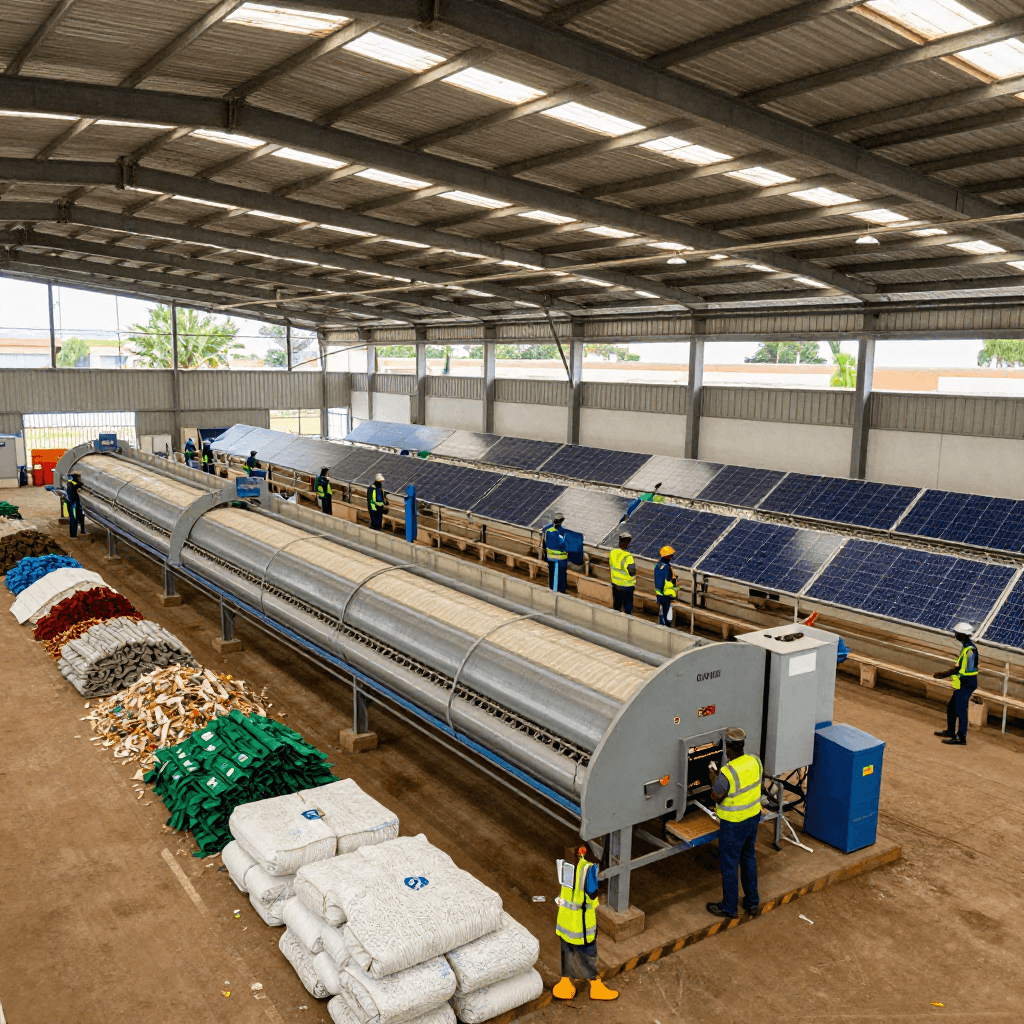
Youth play a critical role in driving circular economy transitions. Their active inclusion ensures that future generations can inherit a sustainable planet. Engaging young people in circular economy initiatives promotes long-term systemic change, as they become champions of sustainable practices and innovative solutions. Their ability to embrace emerging technologies and adapt to new paradigms makes them essential in implementing circular strategies across various sectors.
Youth also have the power to influence consumption patterns, encouraging sustainable choices among their peers and shaping market demand. Their participation fosters a mindset shift towards resource conservation, waste reduction, and responsible production, creating a ripple effect throughout society. By educating and empowering young people on circular economy principles, we cultivate a generation that values sustainability, ensuring a more resilient and equitable future.
Young people bring diverse perspectives, creativity, and digital fluency to circular economy transitions. They can leverage these skills to develop and promote digital platforms that enable efficient sharing and collaboration within circular systems. By placing youth at the forefront of circular economy efforts, we tap into their potential to drive innovation, foster entrepreneurship, and build a more sustainable and prosperous world.
Youth participation plays a crucial role in fostering unity and cultural integration within societies. By actively engaging in diverse cultural experiences, young people develop a deeper appreciation and understanding of different traditions, customs, and values. This exposure promotes tolerance, empathy, and respect for others’ backgrounds. Youth inclusion in cross-cultural activities also encourages mutual learning and fosters a sense of unity.
Young people often possess a strong desire for social harmony, seeking to bridge divides and build inclusive communities. Their active participation in cultural integration initiatives empowers them to become ambassadors of change, inspiring their peers and older generations to embrace diversity. By embracing cultural integration, societies can harness the collective strength of youth to create harmonious and inclusive environments that celebrate the richness of different cultures. In doing so, they pave the way for a more unified society that treats cultural diversity as a driver of shared progress and development.
Youth engagement in climate action and a just green transition is of paramount importance. Their inclusion brings a sense of urgency and intergenerational equity, which lie at the heart of this global challenge. The climate crisis directly impacts the future young people will inherit, making their active participation crucial.
By engaging young people, we tap into a wellspring of potential and passion that can drive meaningful change. Youth-led climate action movements have demonstrated their capacity to mobilise communities, advocate for policy change, and inspire collective action.
By providing platforms for youth engagement and amplifying their voices, we foster a sense of ownership and empowerment, driving the transition towards a just and sustainable world. Recognising and supporting the role of youth is not only a moral imperative but also a strategic investment in a brighter and more resilient future for all.
The meaningful inclusion of young people ensures diverse representation, strengthens democratic processes, and catalyses policy development aligned with long-term environmental and social wellbeing. Their active inclusion fosters hope, inspires collective action, and helps shape a sustainable and just future for all.
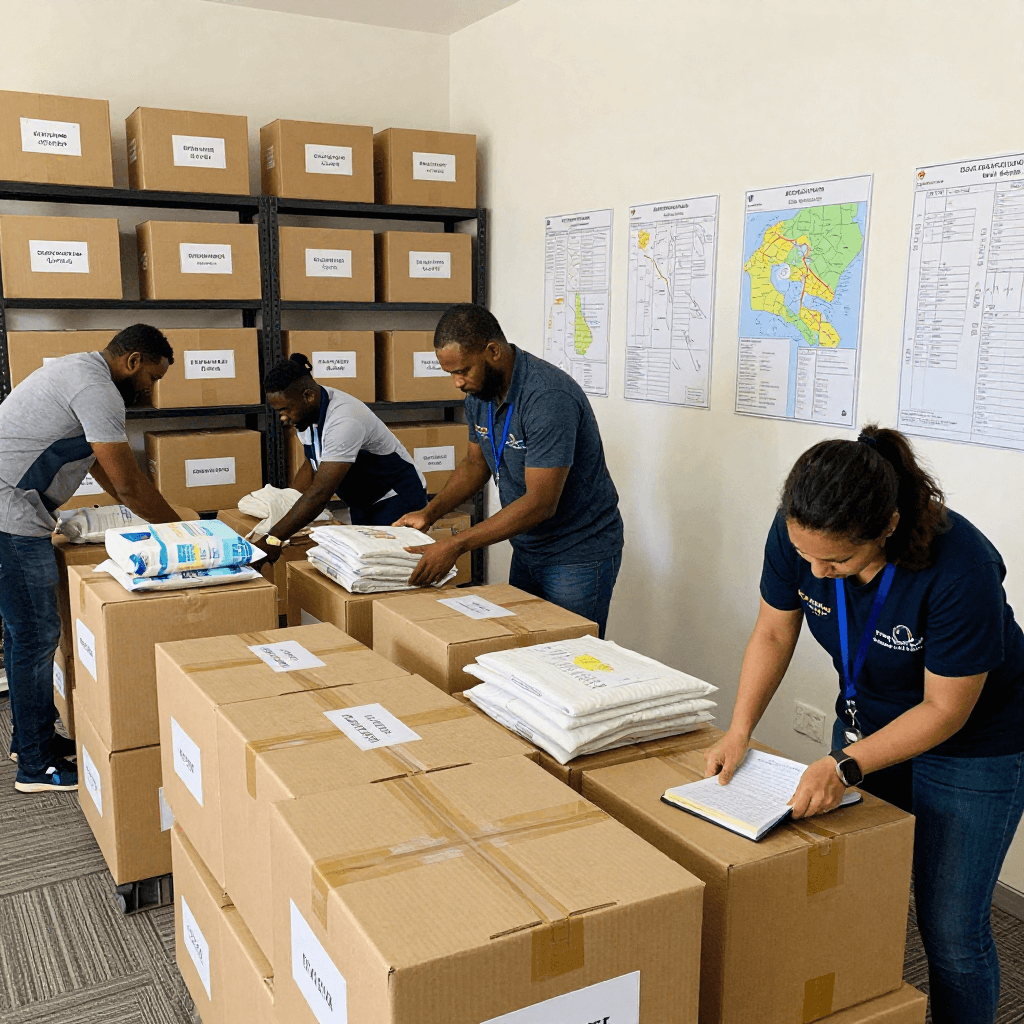
Youth play a crucial role as change agents in effective humanitarian action. Their engagement brings diverse skills, innovative approaches, and a deep understanding of the challenges faced by their communities. By actively participating in humanitarian initiatives, young people contribute their knowledge and talents to addressing pressing issues such as poverty, conflict, and climate change. Through their determination and resilience, they inspire others to take action, fostering a culture of compassion and solidarity.
Youth inclusion in humanitarian efforts facilitates the creation of sustainable solutions that respond to the needs of affected populations. By harnessing their creativity and adaptability, young change agents introduce new methods, technologies, and strategies that enhance the efficiency and effectiveness of humanitarian action. Their voices also amplify calls for social justice and equity, promoting inclusivity and empowerment.
Young people act as bridges between generations, facilitating intergenerational dialogue and cooperation. Their active participation in decision-making processes ensures that policies and interventions consider the aspirations and concerns of future generations. Empowering youth through mentorship, capacity-building, and access to resources enables them to contribute meaningfully to humanitarian initiatives and drive sustainable change.
Youth play a pivotal role in promoting gender equality by challenging societal norms and advocating for inclusive practices. Their engagement in addressing gender disparities helps foster a more equitable society.
As change agents, young people drive conversations that challenge gender stereotypes and discrimination, encouraging dialogue that leads to positive transformation. They amplify voices and experiences that are often marginalised, highlighting the importance of equal opportunities and representation for all genders.
Their enthusiasm, resilience, and commitment inspire broader social change, creating a ripple effect that influences institutions and communities. Through active inclusion in grassroots initiatives, community organisations, and policy advocacy, young people push for tangible change at multiple levels. By emphasising equal rights and opportunities for all, youth change agents inspire a collective consciousness that transcends generational boundaries and catalyses action towards a more inclusive and equitable society.
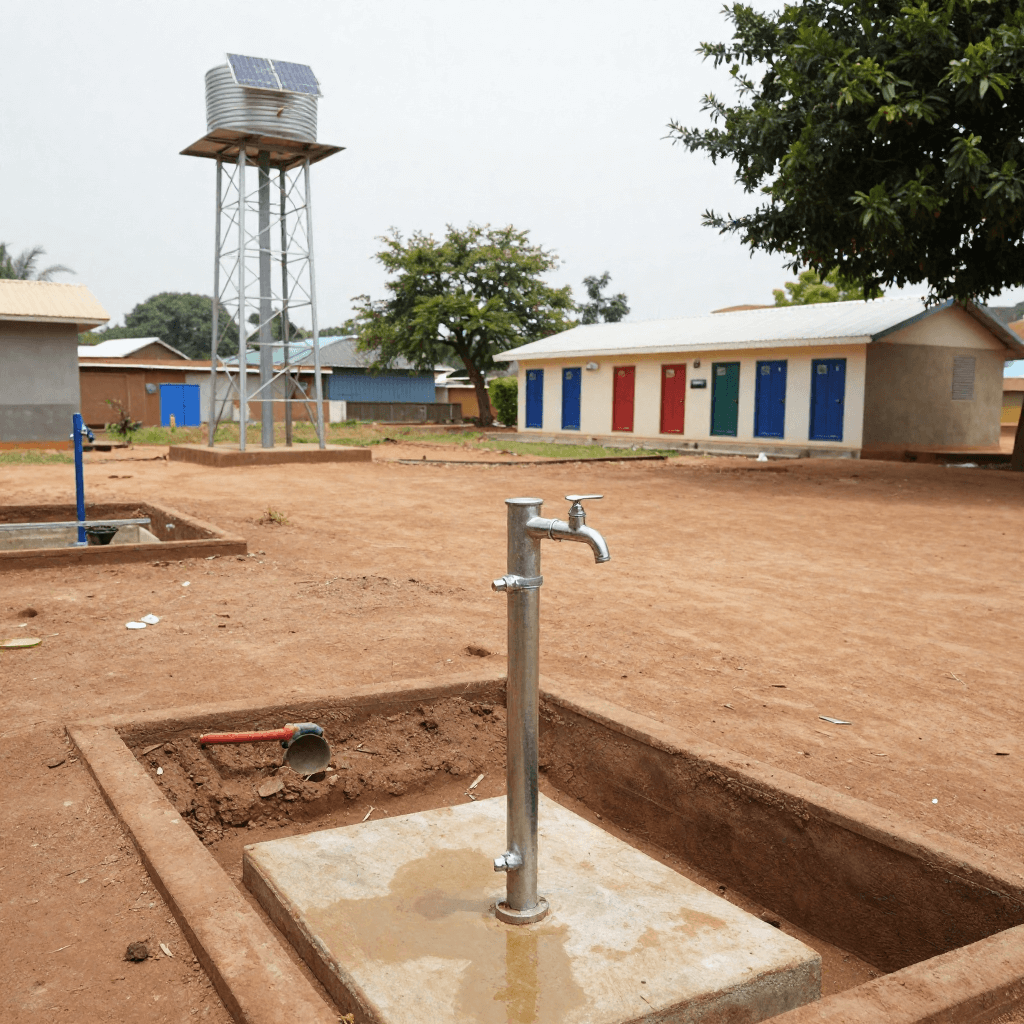
Youth participation is crucial for fostering an improved water, sanitation, and hygiene (WASH) economy. By actively involving young people in WASH initiatives, we engage a demographic that represents the future workforce and leadership. Their participation can lead to innovative solutions, effective implementation, and sustainable practices that address pressing WASH challenges.
By engaging young people, the WASH sector benefits from their technological adeptness, creative problem-solving skills, and adaptability to change. Youth participation helps ensure that WASH initiatives remain aligned with evolving societal needs. Their involvement fosters ownership and empowers them to contribute to decision-making processes, strengthening responsibility and accountability.
Involving young people in WASH initiatives promotes knowledge sharing, capacity building, and skills development, creating a generation equipped to tackle present and future challenges related to water and sanitation. Youth participation also helps bridge the gap between policy and implementation by bringing grassroots perspectives to the table.
By recognising the importance of youth inclusion, stakeholders can harness young people’s enthusiasm and creativity to drive inclusive economic growth, social equity, and environmental sustainability within the WASH sector.
The engagement of young people across sectors such as technology, research, and entrepreneurship contributes to the development and advancement of innovative ideas and solutions. Their inclusion also ensures that emerging industries remain responsive to the evolving needs and challenges of the modern world.
Youth participation supports the cultivation of essential skills and competencies required for industrial growth. By empowering young people to actively contribute to the economy, societies can harness their potential and accelerate the pace of innovation. This inclusion not only enhances productivity but also helps create a sustainable ecosystem that nurtures entrepreneurship and attracts investment.
Engaging young people in innovation and industrialisation initiatives fosters a culture of entrepreneurship and responsible risk-taking. It encourages the exploration of new technologies, methodologies, and business models, driving economic growth and competitiveness. Youth inclusion also ensures that societal and industrial development aligns with their needs and aspirations, supporting sustainable and inclusive progress.
By valuing youth participation, societies can lay a strong foundation for economic prosperity and technological advancement, strengthening their competitiveness in the global market. Youth participation is essential for driving innovation, industrialisation, and sustainable development, propelling societies towards a prosperous and dynamic future.
Young people have emerged as influential change agents in driving sustainable blue economy development. Their enthusiasm, passion, and ability to mobilise communities play a crucial role in raising awareness and fostering positive action.
By engaging in dialogue with policymakers, young people advocate for policies that promote the sustainable use of marine resources and the protection of ocean ecosystems. Their innovative thinking and entrepreneurial spirit enable them to develop practical solutions to challenges facing the blue economy, such as overfishing, pollution, and climate change.
Young people actively participate in community-led initiatives, including beach clean-ups, mangrove restoration projects, and sustainable fishing practices. Through their inclusion, they inspire and empower others to take part in the conservation and preservation of marine ecosystems.
By amplifying their voices and leveraging their leadership skills, young people have the potential to drive transformative change, creating a more sustainable and resilient blue economy that prioritizes the safeguarding of oceans for future generations.
Youth possess immense potential as change agents in promoting disability inclusion. Their ability to empathise, connect, and foster a culture of acceptance plays a crucial role. By embracing diversity, nurturing inclusive environments, and challenging societal stereotypes, young people can effect meaningful change.
Through education and awareness campaigns, young people can promote understanding and dismantle barriers that exclude individuals with disabilities from social, educational, and employment opportunities. By advocating for accessible infrastructure and inclusive policies, they can help ensure equal access for all. Youth-led initiatives can also create platforms for collaboration and dialogue, enabling the exchange of experiences and perspectives.
By prioritising inclusivity within their communities and fostering a sense of belonging, young change agents can inspire others to take action. Their influence, combined with their ability to mobilise diverse groups, can accelerate progress towards a more inclusive society, where people with disabilities are valued and empowered to participate fully in all aspects of life.
Youth participation plays a vital role in fostering inclusive sports development. By engaging young people in sports activities, they gain opportunities to build physical fitness, leadership skills, and teamwork. Youth inclusion also promotes inclusivity by breaking down barriers related to gender, ability, and socio-economic status. By encouraging diversity in sports, we create environments where everyone feels valued and empowered, regardless of background.
Youth participation further fosters a sense of belonging and community engagement. When young people are actively involved in sports, they form social connections and build relationships that encourage camaraderie and mutual respect. Through sports, young people also learn important values such as discipline, perseverance, and fair play, which extend into other areas of their lives.
Youth participation in sports helps shape the future of athletics. As young people engage in sports, they gain experience and insights that can contribute to innovation and development within the field. Their perspectives can inspire new approaches, techniques, and strategies that enhance the quality and inclusivity of sports. Ultimately, youth participation is essential for building healthier, more inclusive communities and shaping the future of sport.