Youths play a pivotal role in promoting gender equality by challenging societal norms and advocating for inclusive practices. Their engagement in addressing gender disparities fosters a more equitable society.
As change agents, young people drive conversations that challenge gender stereotypes and discrimination, encouraging dialogue that leads to positive transformation. They amplify voices and experiences often marginalized, promoting the importance of equal opportunities and representation for all genders.
Their enthusiasm, resilience, and commitment inspire broader social change, creating a ripple effect that influences institutions and communities. Their active inclusion in grassroots initiatives, community organizations, and policy advocacy pushes for tangible change at various levels. By emphasizing the significance of equal rights and opportunities for all, young change agents inspire a collective consciousness that transcends generational boundaries, fostering catalytic action for a more inclusive and equitable society.
Youths play a critical role in driving circular economy transitions. Their active inclusion ensures that future generations can inherit a sustainable planet. Engaging youths in circular economy initiatives promotes long-term systemic change, as they become champions of sustainable practices and innovative solutions. Their ability to embrace emerging technologies and adapt to new paradigms makes them essential in implementing circular strategies across various sectors.
Youths possess the power to influence consumption patterns, encouraging sustainable choices among their peers and shaping market demand. Their participation fosters a mindset shift toward resource conservation, waste reduction, and responsible production, creating a ripple effect throughout society. By educating and empowering young individuals about circular economy principles, we cultivate a generation that values sustainable practices, ensuring a more resilient and equitable future.
Youths bring diverse perspectives, creativity, and digital fluency to circular economy transitions. They can leverage their digital skills to develop and promote digital platforms, enabling efficient sharing and collaboration within circular systems. By including youths at the forefront of circular economy transitions, we tap into their potential to drive innovation, foster entrepreneurship, and build a more sustainable and prosperous world.
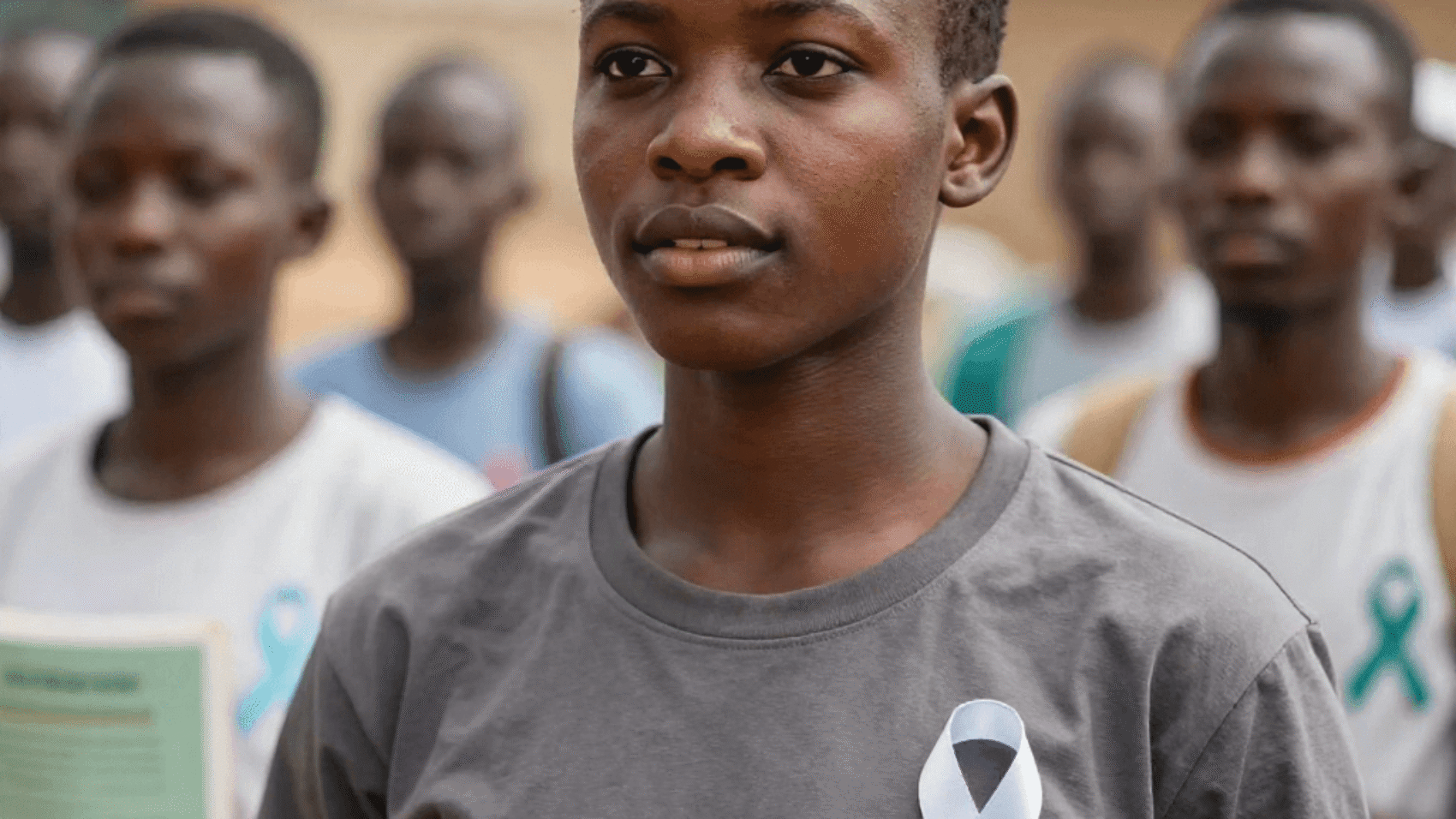
Youth participation in cancer control action plays a crucial role in shaping the future of healthcare. Their engagement cultivates a sense of responsibility and ownership, encouraging them to take an active role in shaping their own health outcomes and those of their communities.
By actively involving young people, we foster inclusivity and ensure that diverse voices contribute to cancer prevention, treatment, and support. Engaging youth in cancer control initiatives empowers them to become advocates for their peers and communities, facilitating peer-to-peer education, awareness campaigns, and early detection efforts.
Young people’s inclusion in cancer control efforts encourages early detection and prevention through education and outreach initiatives. By harnessing their digital literacy and technological skills, youth can leverage social media and digital platforms to raise awareness, provide support, and advocate for policies that improve cancer care.
Involving young individuals in decision-making processes empowers them to contribute to the development of sustainable and equitable cancer control strategies. Ultimately, youth participation cultivates a generation that is actively invested in combating cancer, driving positive change, and improving the lives of those affected by this disease.
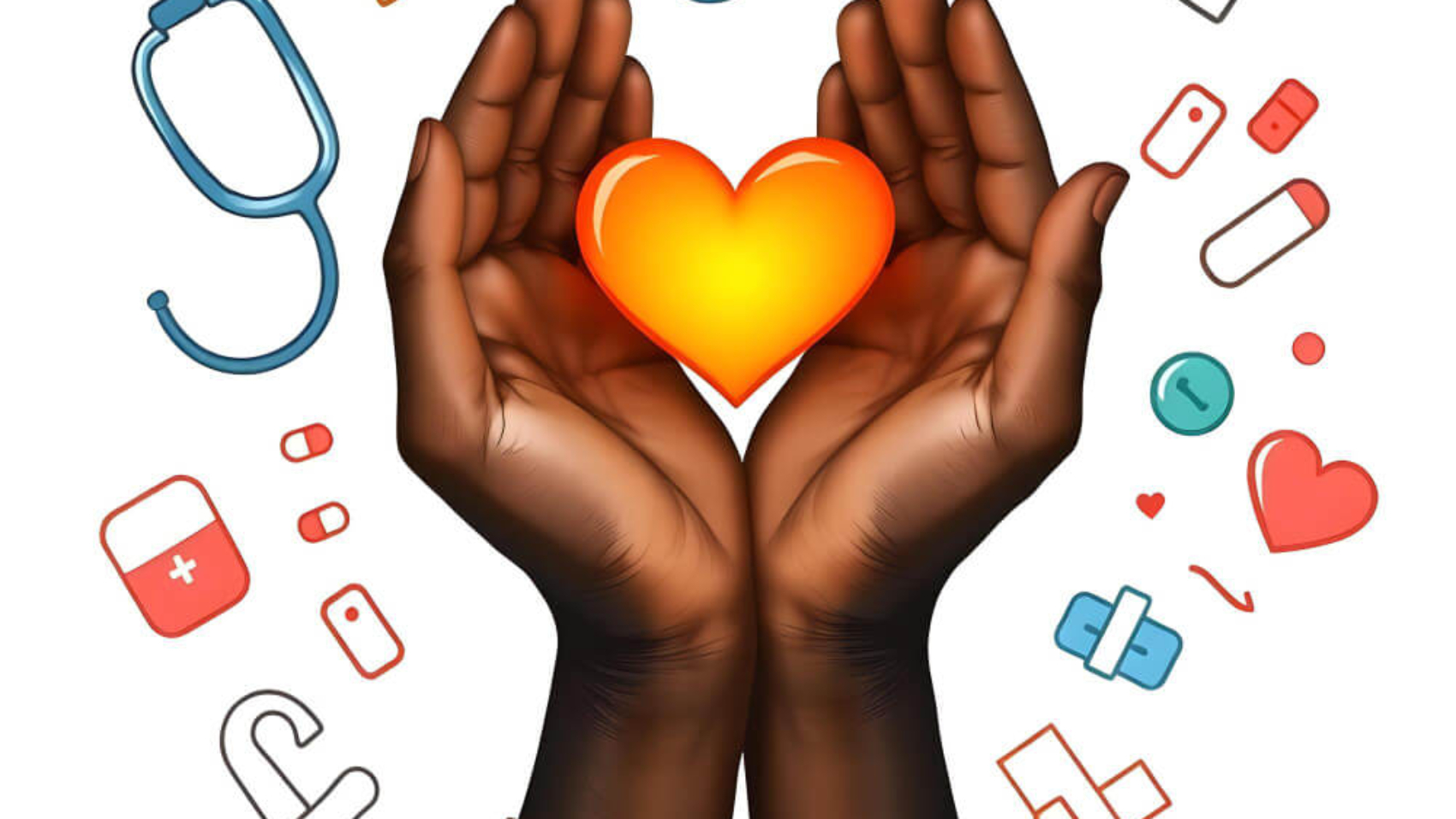
By actively engaging in advocacy, policy-making, and community-based initiatives, youth-led action brings attention to health disparities and the importance of equitable access to healthcare services. Their efforts amplify the voices of marginalized communities and advocate for the removal of barriers such as cost, discrimination, and lack of information.
Youth-led action cultivates a long-term commitment to health advocacy and leadership, creating a sustainable pipeline of future healthcare professionals, policymakers, and community activists. By nurturing the agency and capabilities of young individuals, we can lay the foundation for a healthier and more equitable society.
Youth-led action fosters a sense of empowerment and agency among young people, encouraging them to take ownership of their health and that of their peers. By driving awareness campaigns, promoting health education, and mobilizing their communities, they contribute to the development of a healthier and more inclusive society.
Youth-led action for universal health access ensures that young people’s unique perspectives are considered, empowers them to advocate for change, and helps build a future where everyone has equal opportunities to achieve and maintain optimal health.
Youth participation plays a vital role in fostering inclusive sports development. By engaging young individuals in sports activities, we provide them with opportunities to develop physical fitness, leadership skills, and teamwork. Moreover, youth inclusion promotes inclusivity by breaking down barriers related to gender, ability, and socioeconomic status. By encouraging diversity in sports, we create an environment where every individual feels valued and empowered, regardless of their background.
Youth participation also fosters a sense of belonging and community engagement. When young people are actively involved in sports, they develop social connections and build relationships, fostering a sense of camaraderie and mutual respect. Additionally, by engaging in sports, youth learn important values such as discipline, perseverance, and fair play, which translate into other aspects of their lives.
Youth participation in sports helps to shape the future of athletics. As young individuals engage in sports, they gain valuable experience and knowledge that can contribute to innovation and development within the field. Their insights and experiences can lead to the creation of new approaches, techniques, and strategies that enhance the overall quality and inclusivity of sports. Ultimately, youth participation in sports is essential for building healthier, more inclusive communities and shaping the future of athletic endeavors.
Youths possess immense potential as change agents in promoting disability inclusion. Their ability to empathize, connect, and foster a culture of acceptance plays a crucial role. By embracing diversity, fostering inclusive environments, and challenging societal stereotypes, young individuals can effect profound change.
Through education and awareness campaigns, young people can promote understanding and dismantle barriers that exclude individuals with disabilities from social, educational, and employment opportunities. By advocating for accessible infrastructure and inclusive policies, they can ensure equal access for all. Furthermore, youth-led initiatives can create platforms for collaboration and dialogue, facilitating the exchange of experiences and perspectives.
By prioritizing inclusivity within their communities and fostering a sense of belonging, young change agents can inspire others to take action. Their influence, coupled with their ability to mobilize diverse groups, can accelerate progress towards a more inclusive society, where people with disabilities are valued and empowered to participate fully in all aspects of life.
The engagement of youth in various sectors such as technology, research, and entrepreneurship contributes to the development and advancement of innovative ideas and solutions. Their inclusion also ensures that new industries are responsive to the evolving needs and challenges of the modern world.
Youth participation promotes the cultivation of necessary skills and competencies that are vital for industrial growth. By empowering young people to actively contribute to the economy, societies can harness their potential and accelerate the pace of innovation. This inclusion not only enhances productivity but also creates a sustainable ecosystem that nurtures entrepreneurship and attracts investment.
Engaging young people in innovation and industrialization initiatives fosters a culture of entrepreneurship and risk-taking. It encourages the exploration of new technologies, methodologies, and business models, leading to economic growth and competitiveness. Moreover, youth inclusion ensures that societal developments align with their needs and aspirations, supporting sustainable and inclusive progress.
By valuing youth participation, societies can lay a solid foundation for economic prosperity and technological advancement, ensuring their competitiveness in the global market. Youth participation is essential for driving innovation, industrialization, and sustainable development, propelling societies toward a prosperous and dynamic future.
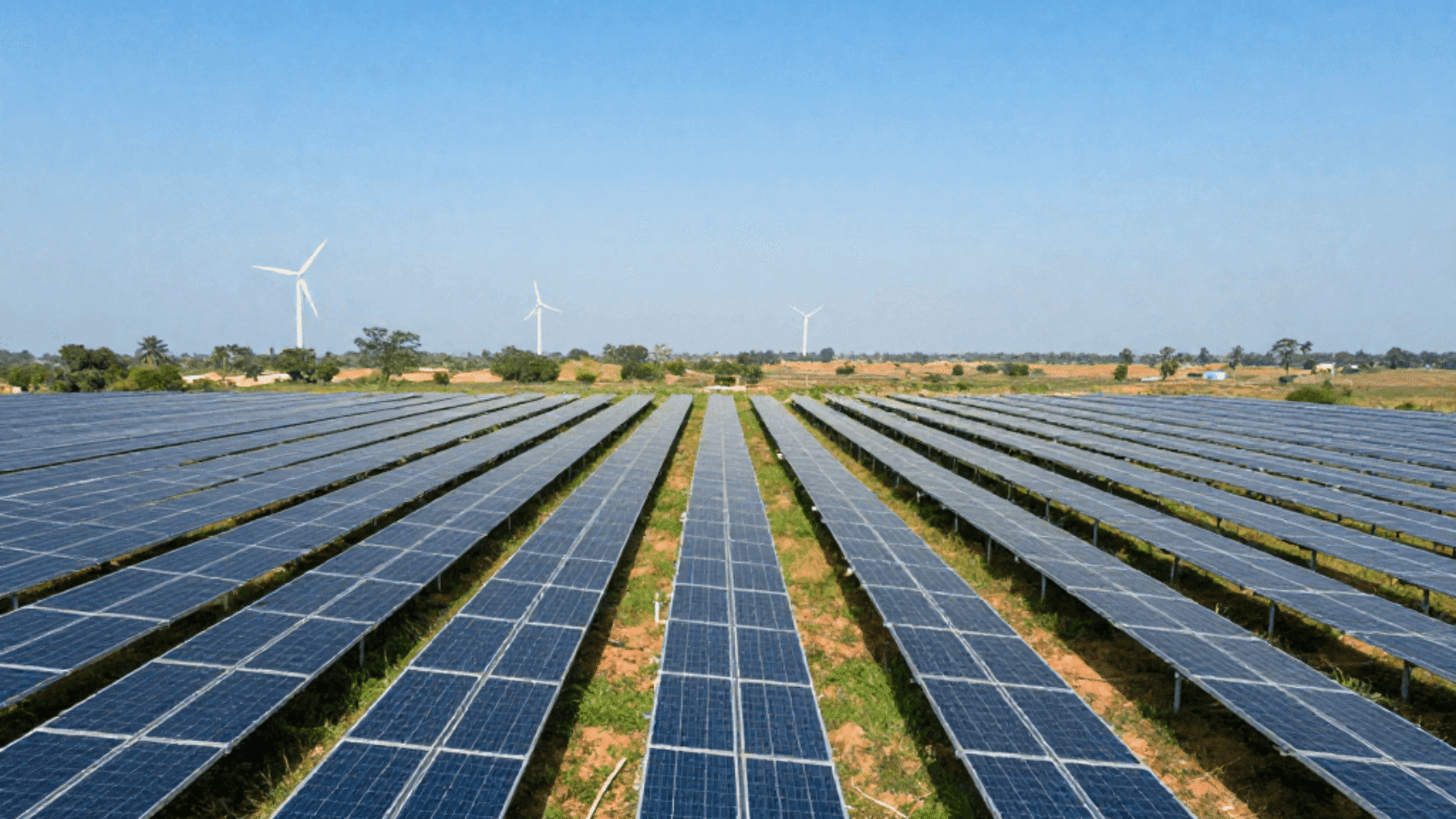
Young people have a vested interest in addressing climate change and its impact on their future. They will inherit the consequences of our energy choices today, making their inclusion essential for long-term sustainability.
Youth bring fresh perspectives, innovative ideas, and a willingness to challenge the status quo. Their creativity and ability to think outside the box can drive technological advancements and inspire new approaches to clean energy solutions.
Empowering young people in the clean energy transition fosters intergenerational collaboration. By actively involving youth, we can bridge the gap between generations, creating a more inclusive and diverse movement that is representative of society as a whole.
Youth activism and advocacy have proven to be catalysts for change. Their passion, energy, and determination have the potential to mobilize communities, influence policymakers, and drive public opinion toward clean energy alternatives.
Recognizing and empowering youth as key players in the clean energy transition is vital for a sustainable future, as they bring fresh ideas, a sense of urgency, and the potential to reshape our energy systems.
Youth engagement in climate action and a just green transition is of paramount importance. Their inclusion brings forth the issues of urgency and intergenerational equity, which are at the heart of this global challenge. The climate crisis directly impacts the future they will inherit, making their active participation crucial.
By engaging young people, we tap into a wellspring of untapped potential and passion that can drive meaningful change. Youth-led climate action movements have demonstrated their capacity to mobilize communities, advocate for policy change, and inspire collective action.
By providing platforms for youth engagement and amplifying their voices, we foster a sense of ownership and empowerment, driving the transition toward a just and sustainable world. Recognizing and supporting youth’s role is not just a moral imperative, but also a strategic investment in a brighter and more resilient future for all.
The meaningful inclusion of youth ensures diverse representation, strengthens democratic processes, and catalyzes policy development aligned with long-term environmental and social well-being. Their active inclusion fosters hope, inspires collective action, and helps shape a sustainable and just future for all.
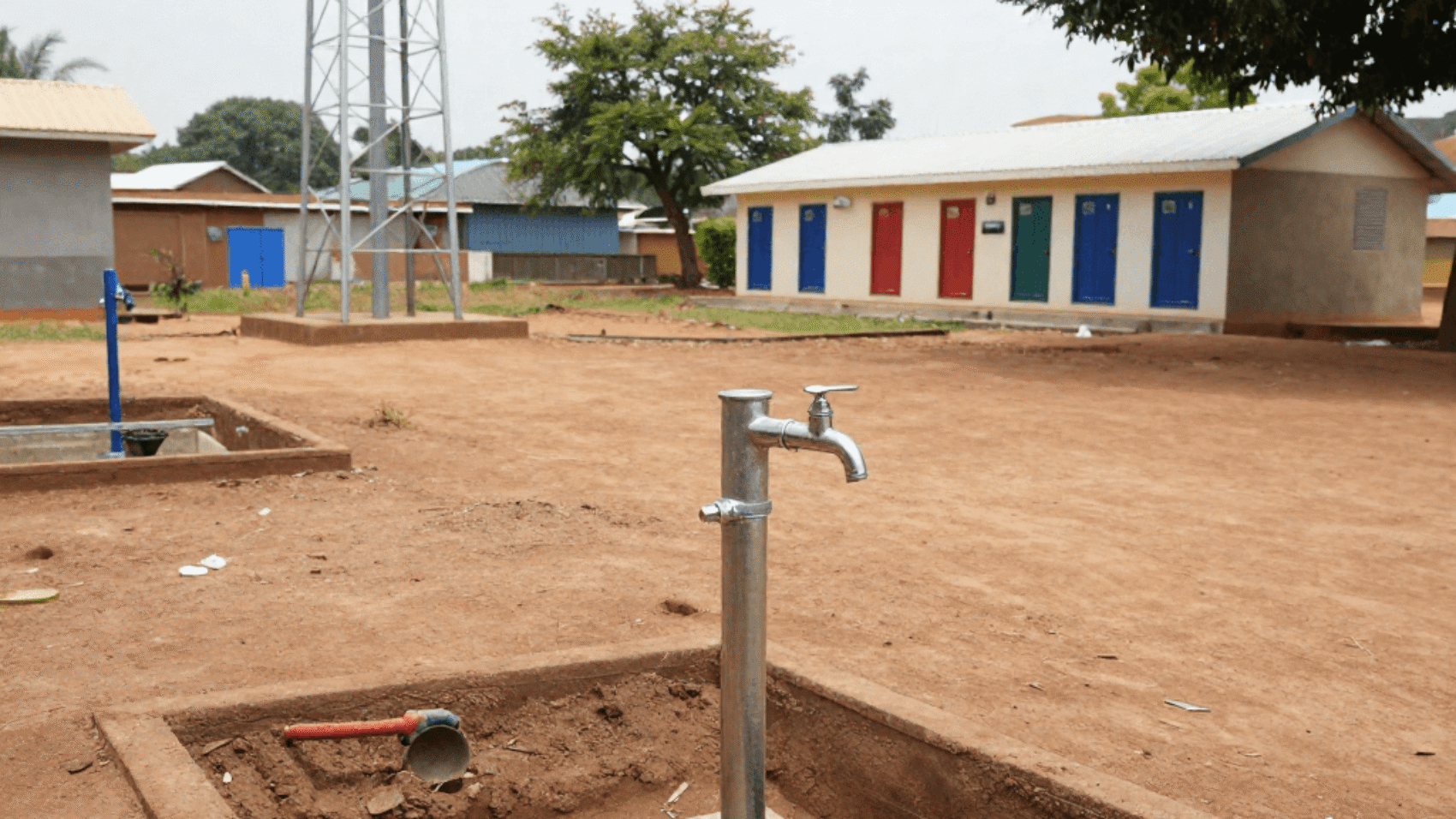
Youth participation is crucial for fostering an improved water, sanitation, and hygiene (WASH) economy. By actively involving young people in WASH initiatives, we tap into a demographic that represents the future workforce and leaders. Their engagement can lead to innovative solutions, effective implementation, and sustainable practices that address pressing WASH challenges.
By engaging young people, the WASH sector gains from their technological adeptness, creative problem-solving skills, and adaptability to change. Youth participation ensures that WASH initiatives are aligned with evolving societal needs. Their engagement fosters ownership and empowers them to contribute to decision-making processes, enabling a sense of responsibility and accountability.
Involving young people in WASH initiatives promotes knowledge sharing, capacity building, and skills development, creating a generation equipped to tackle present and future challenges related to water and sanitation. Youth participation also helps to bridge the gap between policies and implementation by bringing grassroots perspectives to the table.
By recognizing the significance of youth inclusion, stakeholders can leverage their enthusiasm and creativity to drive inclusive economic growth, social equity, and environmental sustainability within the WASH sector.