
freepik__organised-relief-coordination-centre-with-labelled__54546 (2)

Responsive Humanitarian Action.

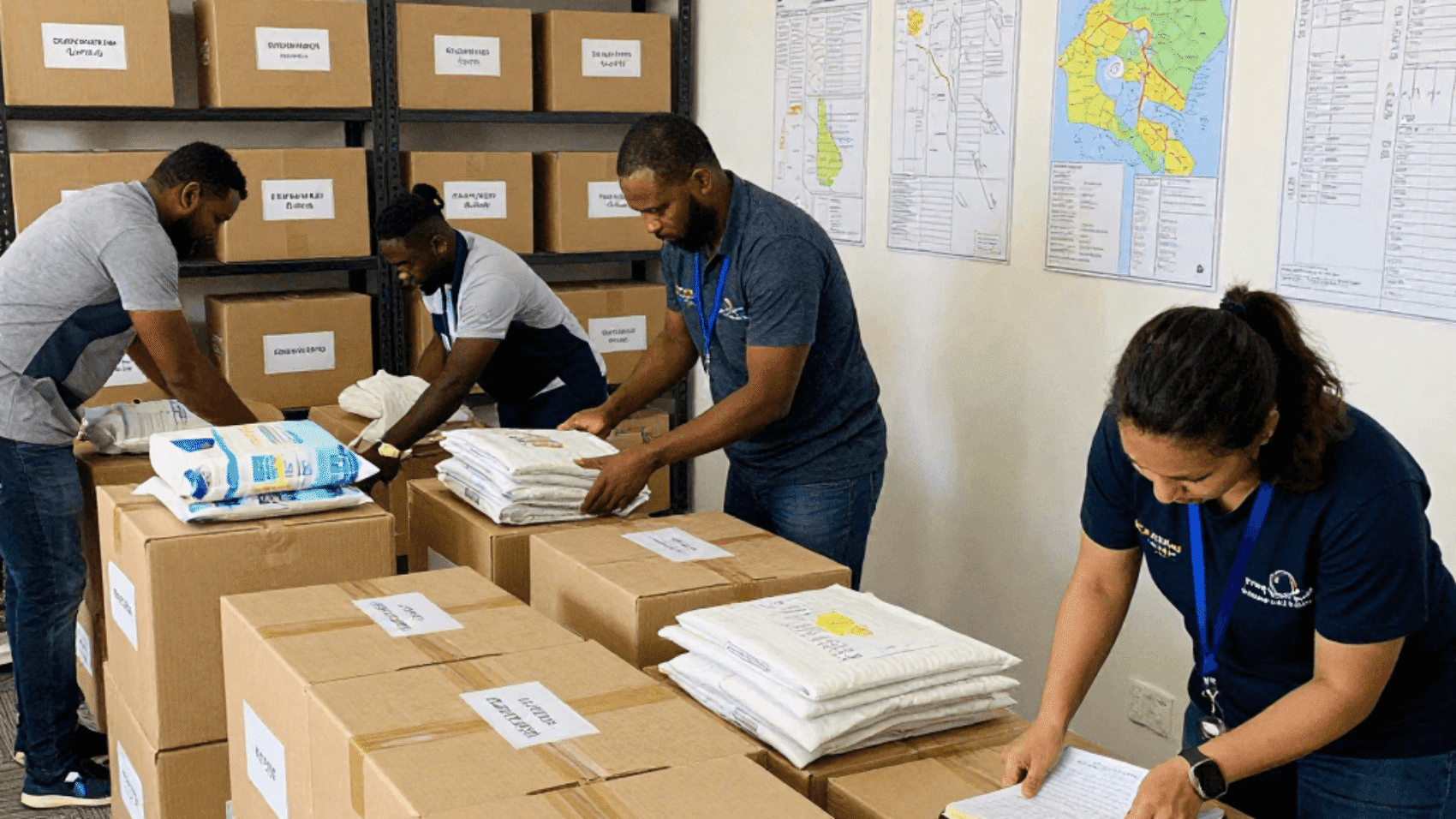
Youths play a crucial role as change agents in effective humanitarian action. Their engagement brings diverse skills, innovative approaches, and a deep understanding of the challenges faced by their communities. By actively participating in humanitarian initiatives, young people contribute their knowledge and talents to address pressing issues such as poverty, conflict, and climate change. Through their determination and resilience, they inspire others to take action, fostering a culture of compassion and solidarity.

Youth inclusion in humanitarian efforts facilitates the creation of sustainable solutions that resonate with the needs of affected populations. By harnessing their creativity and adaptability, young change agents introduce new methods, technologies, and strategies that enhance the efficiency and effectiveness of humanitarian action. Their voices amplify the call for social justice and equity, promoting inclusivity and empowerment.

Youths act as bridges between generations, facilitating intergenerational dialogue and cooperation. Their active participation in decision-making processes ensures that policies and interventions consider the aspirations and concerns of future generations.

Empowering young people through mentorship, capacity-building, and access to resources enables them to contribute effectively to humanitarian initiatives and bring about sustainable change.

freepik__autumn-in-a-sprawling-industrial-plant-a-mixedgend__54537 (1)

Enterprise Development & Job Creation.

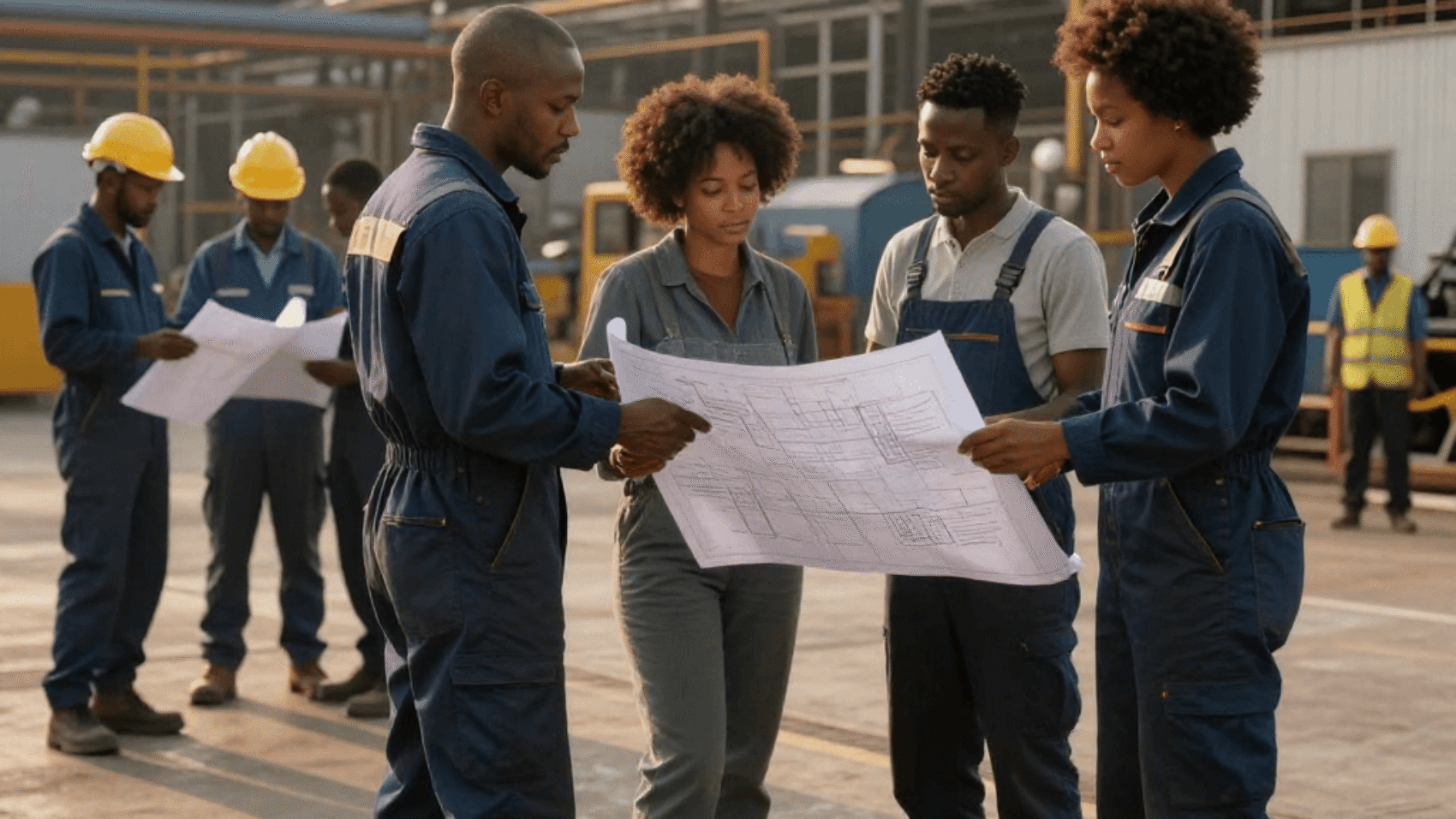
When women are empowered to actively participate in economic activities, businesses, and leadership roles, several positive outcomes emerge. Women’s economic empowerment leads to economic growth and development. Women represent a significant portion of the global workforce, and their untapped potential can be a driving force behind innovation, productivity, and entrepreneurial success. By encouraging women’s entrepreneurship and providing equal access to resources and opportunities, societies can unlock new avenues for economic progress.

Promoting women’s participation in the workforce fosters gender equality and social justice. Women’s equal access to employment opportunities challenges gender norms, breaks down discriminatory barriers, and contributes to dismantling systemic inequalities. This not only benefits individual women but also paves the way for a more inclusive and diverse workforce that thrives on merit and talent, regardless of gender.

Women’s involvement in enterprise development often translates into broader societal benefits. Studies have shown that women are more likely to invest in social impact-oriented enterprises that address challenges in education, healthcare, and community development. By allocating resources to these areas, women contribute to the improvement of overall well-being and poverty reduction.

Ultimately, a transformed society is one that embraces diversity, equality, and inclusive development. By harnessing the potential of women in enterprise and job creation, we can build a more prosperous, sustainable, and equitable future for all members of society. It is a collective responsibility to create an environment where women’s skills, talents, and contributions are valued and harnessed to drive positive change.

2148829178 (1)

Social Justice & Human Rights Protection

Youth play a vital role as change agents in promoting social justice and human rights. With access to information and technology, today’s youth are more empowered than ever to advocate for equality, challenge systemic injustices, and amplify marginalized voices.

Through grassroots movements, youth-led organizations, and social media activism, young people have been at the forefront of campaigns addressing discrimination, inequality, environmental injustice, and other human rights-related issues. Their voices are amplified through art, online platforms, and community engagement, creating a ripple effect that challenges societal norms and demands leadership accountability.

Youth are often the most affected by social injustices, which fuels their determination to fight for change. By leveraging their interconnectedness and global solidarity, young people are able to mobilize and inspire others, creating a collective movement toward a more equitable and just society.

It is pivotal to recognize, support, and create room for youth-led initiatives by providing them with platforms, resources, and mentorship. By empowering young change agents, we can ensure that social justice and human rights remain at the forefront of our collective agenda, driving sustainable progress and creating a brighter future for all.

165210 (1)

Elimination of Gender-Based Violence

Youths have the potential to be powerful change agents in the elimination of gender-based violence. As the next generation, they possess fresh perspectives, a strong sense of justice, and an inherent drive for social change. By engaging young people in initiatives and empowering them to take action, societies can harness their energy and commitment to challenge deeply ingrained gender norms and promote equality.

Youth-led movements have already played a pivotal role in raising awareness about gender-based violence, mobilizing communities, and demanding policy changes. Through social media campaigns, grassroots activism, and education programs, young change agents are breaking the silence around these issues and fostering dialogue that challenges harmful behaviors and attitudes.

Additionally, by supporting and partnering with youth-led organizations, governments, and NGOs, young individuals can drive policy changes, advocate for legislation, and influence decision-making processes.

Empowering youth to become change agents in the fight against gender-based violence not only creates a safer environment for everyone but also cultivates a generation of leaders committed to equality and social justice. Their collective efforts can create lasting change and inspire future generations to continue the fight for a world free from gender-based violence.

164 (1)

Blue Economy Development.

Young people have emerged as influential change agents in driving sustainable blue economy development. Their enthusiasm, passion, and ability to mobilize communities play a crucial role in raising awareness and fostering positive action.

By engaging in dialogue with policymakers, young individuals advocate for policies that promote the sustainable use of marine resources and protect ocean ecosystems. Their innovative thinking and entrepreneurial spirit enable them to develop practical solutions to address challenges faced by the blue economy, such as overfishing, pollution, and climate change.

Youths actively participate in community-led initiatives, including beach cleanups, mangrove restoration projects, and sustainable fishing practices. Through their inclusion, they inspire and empower others to take part in the conservation and preservation of marine ecosystems.

By amplifying their voices and leveraging their leadership skills, young people have the potential to drive transformative change, creating a more sustainable and resilient sector that prioritizes the safeguarding of our oceans for future generations.

freepik__organised-recycling-and-green-manufacturing-facili__54547 (1)

Just Green Transition

(Green Economy Inclusion).

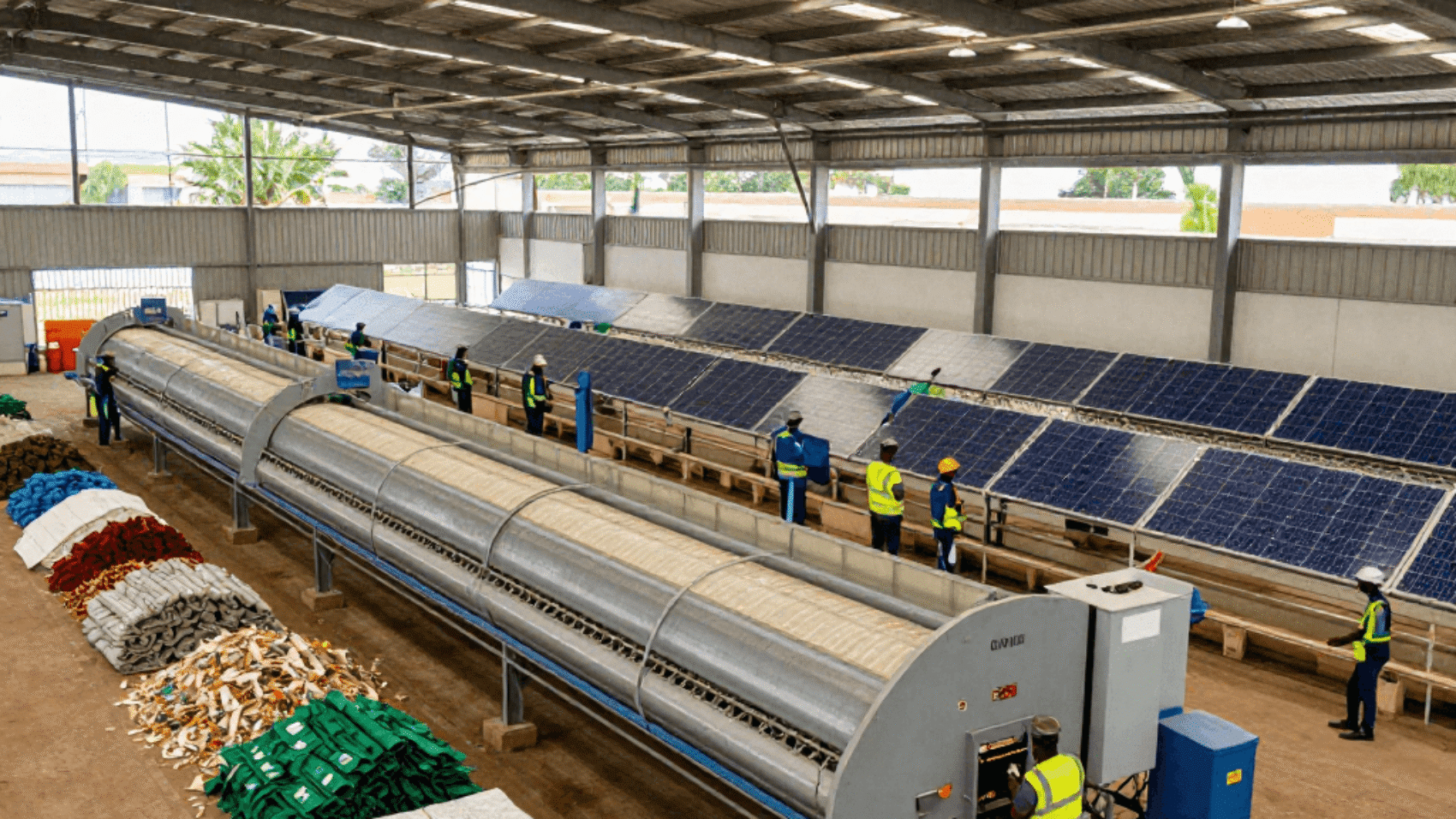
The green economy encompasses industries and practices that aim to address the urgent challenges of climate change and environmental degradation while promoting sustainable development. Women’s active involvement ensures a more inclusive and holistic approach to tackling environmental challenges.

Women bring diverse perspectives and experiences, enhancing problem-solving and innovation in the green sector. Their unique viewpoints can lead to more comprehensive solutions that address the needs of various communities. Promoting women’s participation fosters gender equality and empowerment. Access to education, training, and leadership opportunities in the green economy empowers women economically and socially.

Women’s involvement in green industries creates new job opportunities and economic growth. By actively engaging women in renewable energy, sustainable agriculture, and conservation efforts, we can harness their potential as agents of change and boost local development.

The equal participation of women in the green economy drives environmental sustainability, social progress, and economic prosperity. It paves the way for a transformed society that embraces gender equality, environmental stewardship, and a more sustainable future for all.

freepik__rural-african-community-powered-by-visible-solar-m__54548 (1)

Just & Equitable Digital Transformation

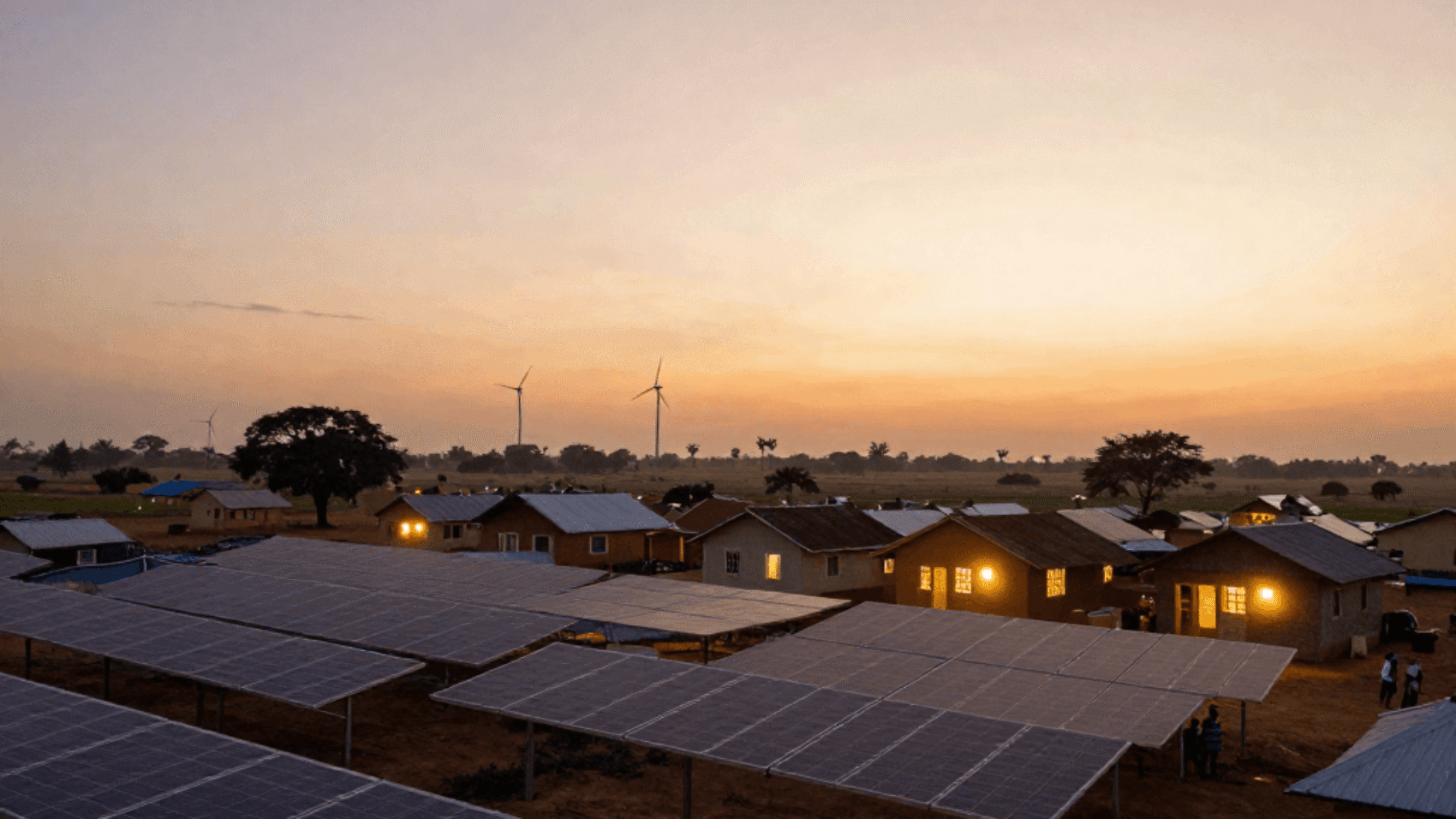
Youths play a vital role in promoting just and equitable digital transformation. Their technological fluency and adaptability enable them to navigate the rapidly evolving digital landscape. With their engagement, innovative solutions can be crafted to address systemic inequalities and bridge the digital divide.

Their digital native status positions them as key actors in advancing digital literacy and access for marginalized communities, promoting equal opportunities. Youth-led initiatives foster collaborative spaces where knowledge is shared, skills are developed, and collective action is mobilized. They create platforms for marginalized voices to be heard, amplifying their demands for digital rights and social justice.

Young change agents are positioned to mobilize mass awareness campaigns, demanding accountable digital governance and challenging discriminatory practices. Youth inclusion in digital transformation ensures a more just and equitable future where the benefits of technology are accessible to all. Their active participation is critical in shaping policies, developing inclusive solutions, and dismantling barriers, fostering a society that embraces the potential of digital innovation for social good.

62559 (1)

Sustainable Democracy.

Youths possess the potential to serve as influential change agents in advancing sustainable democracy. Their active engagement in civic participation fosters a culture of inclusivity and collective decision-making. By empowering young individuals with opportunities to voice their opinions, society benefits from their diverse experiences and insights.

Through education and mentorship, youths can develop critical thinking and analytical skills necessary for navigating complex political landscapes. Their willingness to challenge existing systems and question traditional norms promotes accountability and drives societal progress.

The digital era provides an unprecedented platform for youths to amplify their voices, connect globally, and mobilize for change. By harnessing technology and social channels, they can create awareness, mobilize support, and foster leadership accountability. As change agents, youths inspire fellow citizens to engage in the democratic process, ensuring a sustainable and inclusive democracy for future generations.

2 (1)

Unity & Cultural Integration.

Youth participation plays a crucial role in fostering unity and cultural integration within societies. By actively engaging in diverse cultural experiences, young people develop a deeper appreciation and understanding of different traditions, customs, and values. This exposure promotes tolerance, empathy, and respect for others’ backgrounds. Also, youth inclusion in cross-cultural activities encourages mutual learning and fosters a sense of unity.

Young people often possess a strong desire for social harmony, seeking to bridge divides and build inclusive communities. Their active participation in cultural integration initiatives empowers them to become ambassadors of change, inspiring their peers and older generations to embrace diversity. By embracing cultural integration, societies can harness the collective strength of their youth to create harmonious and inclusive environments that celebrate the richness of different cultures. In doing so, they pave the way for a more unified society that embraces cultural diversity as a tool for shared progress and development.

5877 (1)

Representational Equity

(Women in Leadership).

Gender equality is not only a matter of justice and human rights; it is also essential for social, economic, and political progress. When women have equal opportunities to participate and lead in all sectors of society, including politics, business, and academia, it leads to better decision-making, increased innovation, and improved governance.

Women’s equitable representation brings diverse perspectives and experiences to the table, enriching discussions and challenging entrenched norms. It helps address systemic inequalities and promotes policies that benefit everyone, not just a select few. It also serves as a powerful symbol for future generations, breaking down gender stereotypes and inspiring girls to dream big and pursue their aspirations.

Moreover, women’s equitable representation is a critical step towards achieving a more just and inclusive society. It challenges the prevailing power imbalances and promotes fairness, respect, and dignity for all individuals, irrespective of gender. Ultimately, a transformed society can only be realized when women have an equal voice, influence, and power to shape its direction and future.